How Can You Prevent Black Mold from Returning After Removal?

Jose Lopez • April 20, 2026

Black mold, a toxic fungus that thrives in damp environments, can pose serious health risks and damage your home if not addressed properly. Even after black mold removal, it can return if the underlying conditions persist. 


Preventing its recurrence is crucial for maintaining a safe, healthy living space and protecting your property’s value. By addressing moisture, improving ventilation, and staying vigilant, homeowners can keep black mold at bay. 


This blog provides practical steps to prevent black mold from returning after removal, empowering you to safeguard your home and family from its harmful effects.


Control Moisture Levels


Moisture is the primary catalyst for black mold growth, so keeping your home dry is essential. Effective moisture control eliminates the conditions mold needs to thrive.


  • Use a dehumidifier in high-risk areas: Basements, bathrooms, and laundry rooms are prone to humidity, which encourages mold growth. Set dehumidifiers to maintain humidity below 50% to create an inhospitable environment for mold.
  • Fix leaks promptly: Check pipes, roofs, and windows regularly for leaks, as even small drips can foster mold. Repairing leaks immediately prevents water from seeping into walls or floors.
  • Dry wet materials quickly: If spills or flooding occur, dry carpets, furniture, and walls within 24–48 hours. Quick action prevents moisture from lingering and triggering mold regrowth.


Improve Ventilation in Your Home


Proper airflow reduces humidity and prevents mold spores from settling. Good ventilation is key to maintaining a mold-free environment after removal.


  • Install exhaust fans in bathrooms and kitchens: These fans remove moist air from areas where steam and humidity accumulate. Run fans during and after showers or cooking to keep the air dry and circulating.
  • Open windows regularly: Allow fresh air to flow through your home, especially in humid climates. Ventilation dilutes indoor humidity and reduces the risk of mold forming in enclosed spaces.
  • Clean HVAC systems annually: Dirty air ducts can harbor mold spores and spread them throughout your home. Professional cleaning ensures your HVAC system doesn’t reintroduce mold.


Maintain Clean and Dry Surfaces


Regular cleaning helps prevent mold regrowth by stopping spores from taking hold on damp surfaces. Consistent upkeep is a proactive way to stop black mold from returning.


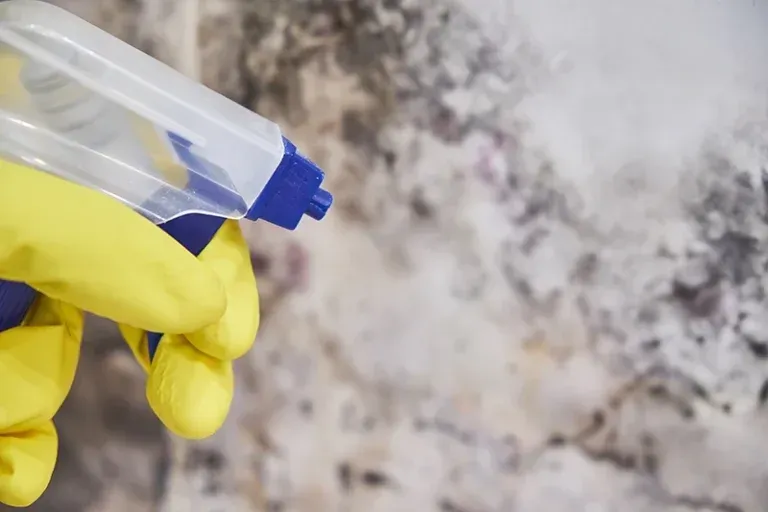
  • Wipe down surfaces prone to condensation: Windowsills, bathroom tiles, and pipes often collect moisture, creating mold-friendly spots. Regular wiping with a dry cloth or mold-inhibiting cleaner keeps these areas mold-free.
  • Wash fabrics frequently: Curtains, rugs, and upholstery can trap moisture and spores, especially in humid rooms. Launder or dry-clean these items regularly to prevent mold buildup.
  • Use mold-resistant products: Apply mold-resistant paint or sealants to walls and ceilings in damp areas. These products create a barrier that discourages mold growth on treated surfaces.


Monitor and Inspect Regularly


Ongoing vigilance helps catch potential mold issues before they escalate. Routine checks ensure your home remains free of black mold after removal.


  • Check hidden areas periodically: Inspect under sinks, behind appliances, and in basements for signs of moisture or mold. Early detection allows you to address problems before they become severe.
  • Use a hygrometer to track humidity: A hygrometer measures indoor humidity levels, alerting you to conditions that could support mold growth. Aim to keep humidity between 30–50% for optimal mold prevention.
  • Schedule professional inspections annually: Certified mold inspectors can identify hidden risks and confirm your home remains mold-free. Their expertise ensures thorough monitoring of high-risk areas.


Address Structural Vulnerabilities


Structural issues like poor drainage or insulation can create mold-friendly conditions. Fixing these problems strengthens your home’s defenses against black mold.


  • Improve exterior drainage: Ensure gutters and downspouts direct water away from your home’s foundation. Poor drainage can lead to water seepage, creating damp conditions ideal for mold.
  • Seal cracks and gaps: Check walls, windows, and foundations for cracks where water can enter. Sealing these with caulk or weatherproofing materials prevents moisture infiltration.
  • Upgrade insulation in cold climates: Poor insulation can cause condensation on walls or ceilings, fostering mold growth. Proper insulation keeps surfaces dry and less susceptible to mold.


Preventing black mold from returning after removal requires proactive measures to control moisture, enhance ventilation, and maintain a clean, well-monitored home. By addressing the root causes of mold growth—dampness and poor airflow—you can protect your health and property from its damaging effects. 


Regular inspections, timely repairs, and the use of mold-resistant products create a strong defense against recurrence. For persistent issues or large-scale concerns, consider consulting professional mold remediation services


With these practical steps, you can ensure your home remains a safe, mold-free sanctuary for years to come.
By Jose Lopez April 20, 2026
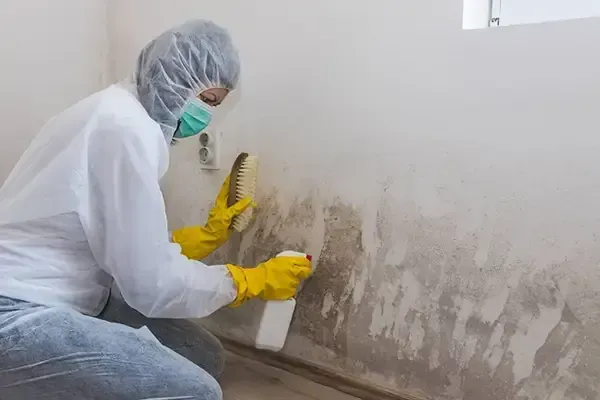
Mold growth in your home can have a significant impact on your health, your family’s well-being, and even your property’s value. Often overlooked, mold remediation offers numerous long-term benefits that extend beyond simply improving the appearance of your home. This guide will explore the crucial role of mold remediation in protecting your family’s health, preserving your property’s structural integrity, and ultimately enhancing your overall quality of life. Protecting Your Home’s Structural Integrity Mold growth is not just an aesthetic issue; it can significantly impact the structural integrity of your home. How Mold Weakens Structures: Weakening of Building Materials: Mold thrives on organic materials like wood, drywall, and insulation. As it grows, it can weaken these materials, leading to: Sagging ceilings: Warped floors: Cracked walls: Structural instability: Accelerated Deterioration: Mold growth can accelerate the natural deterioration of building materials, leading to premature aging and the need for costly repairs.  Protecting Your Home’s Structure: Regular Inspections: Visual Inspections: Regularly inspect your home for signs of mold growth, such as visible spots, musty odors, and water stains. Focus on High-Risk Areas: Pay close attention to areas prone to moisture, such as bathrooms, kitchens, basements, and crawl spaces. Moisture Control: Address Leaks Promptly: Repair any leaks in roofs, pipes, or windows promptly to prevent moisture buildup. Improve Ventilation: Ensure adequate ventilation in bathrooms, kitchens, and other moisture-prone areas using exhaust fans. Control Humidity: Use dehumidifiers to control humidity levels, especially in basements and crawl spaces. Maintain Proper Drainage: Ensure proper drainage around your home to prevent water from accumulating against the foundation. Professional Remediation: If you suspect significant mold growth, consult with a professional mold remediation specialist. They have the expertise and equipment to safely and effectively remove mold and address the underlying moisture issues. By taking proactive steps to prevent mold growth and address any issues promptly, you can protect the structural integrity of your home, maintain its value, and ensure a safe and healthy living environment for your family. Improving Indoor Air Quality Mold growth significantly impacts indoor air quality. Mold spores released into the air can: Trigger Allergies and Respiratory Issues: Cause allergic reactions such as sneezing, coughing, itchy eyes, and skin irritation. Worsen Asthma Symptoms: Aggravate asthma symptoms, leading to difficulty breathing and other respiratory problems. Impact Overall Health: In some cases, prolonged exposure to mold can contribute to more serious health issues. Benefits of Mold Remediation for Indoor Air Quality: Reduced Airborne Irritants: After successful mold remediation, you’ll notice a significant decrease in the levels of mold spores and other airborne irritants in your home. Improved Breathing: Cleaner air allows you and your family to breathe easier, reducing the risk of respiratory problems. Enhanced Well-being: Improved indoor air quality can contribute to increased energy levels, better sleep quality, and improved overall well-being. Reduced Musty Odors: Mold growth often produces musty odors that can make your home unpleasant to live in. Mold remediation eliminates these unpleasant odors, creating a more comfortable and enjoyable living environment. Beyond Health: Increased Productivity: Improved air quality can enhance concentration and productivity, especially in home offices or study areas. Protecting Your Investment: Addressing mold issues helps to protect the value of your home by preventing further damage to building materials. By taking proactive steps to prevent mold growth and addressing any existing issues promptly, you can significantly improve the indoor air quality in your home, creating a healthier and more comfortable living environment for yourself and your family. Enhancing Property Value and Marketability Addressing mold issues in your home is not just about improving indoor air quality; it’s a crucial investment that significantly enhances your property’s value and marketability. Increased Market Appeal: Buyer Confidence: Potential buyers are more likely to be interested in a home that is free from mold. Mold infestations raise concerns about health risks and potential structural damage, deterring many buyers. Peace of Mind: A mold-free home provides potential buyers with peace of mind, knowing they are moving into a safe and healthy living environment. Streamlined Selling Process: Lender Requirements: Many lenders require a thorough home inspection, including a mold assessment. Addressing mold issues proactively can streamline the selling process and avoid delays or complications during the loan application. Faster Sales: Homes free from mold are typically more attractive to buyers and sell faster, reducing the time your property spends on the market. Higher Asking Price: By addressing mold issues and ensuring a healthy indoor environment, you can potentially command a higher asking price for your property. Reduced Risk of Future Issues: Preventing Recurrence: Addressing the underlying causes of mold growth, such as moisture issues, helps prevent future problems that could negatively impact the property’s value and marketability. In conclusion, investing in mold remediation is a wise decision for any homeowner. By addressing mold issues proactively, you not only enhance the health and well-being of your family but also significantly increase your property’s value and marketability, ensuring a smoother and more successful selling process in the future. Mold remediation offers long-term benefits that go beyond aesthetics, ensuring a healthier home, stronger structural integrity, and increased property value. By addressing mold issues proactively, homeowners can protect their families from health risks, prevent costly repairs, and create a more appealing living environment. A mold-free home enhances indoor air quality, improves marketability, and provides peace of mind for both current residents and potential buyers. Investing in professional mold remediation not only safeguards your property but also contributes to a comfortable and worry-free home for years to come.
By Jose Lopez April 20, 2026
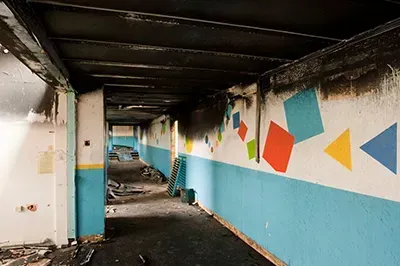
The aftermath of a fire can be devastating, leaving behind not only visible destruction but also hidden dangers. Smoke, a silent and insidious byproduct of fire, permeates every corner of your home, leaving behind a trail of invisible threats. From potentially harmful toxins to lingering odors, the impact of smoke damage can be far-reaching, affecting both your health and the structural integrity of your property. This guide will delve into the hidden dangers of smoke damage, exploring the potential health risks, the impact on your home’s structure, and the importance of professional remediation. The Hidden Dangers of Smoke Residue While the immediate danger from fire is obvious, the lingering impact of smoke residue can be equally harmful. Smoke is a complex mixture of particles and gases released during combustion. These residues can penetrate deep into surfaces and remain in the air long after the fire is extinguished.  Health Risks: Respiratory Issues: Smoke inhalation can cause respiratory problems such as coughing, wheezing, shortness of breath, and even lung damage. Eye and Throat Irritation: Smoke can irritate the eyes, nose, and throat, causing burning, stinging, and discomfort. Long-Term Health Effects: Exposure to smoke residue can increase the risk of respiratory infections, asthma, and other long-term health problems. Impact on Your Home: Lingering Odors: Smoke residue can leave behind persistent and unpleasant odors that can make your home uninhabitable. Property Damage: Smoke can stain surfaces, discolor walls and ceilings, and damage furniture, electronics, and other belongings. Health Hazards: The presence of smoke residue can pose ongoing health risks to occupants long after the fire is extinguished. Importance of Professional Remediation: Thorough Cleaning: Professional smoke damage restoration companies have the expertise and specialized equipment to thoroughly clean and deodorize affected areas. Removal of Harmful Particles: They use specialized techniques to remove deeply embedded smoke particles from surfaces, carpets, and upholstery. Air Quality Restoration: They can help restore healthy indoor air quality by removing harmful particulates and odors. Ignoring smoke damage can have significant long-term health and property implications. It’s crucial to address smoke residue promptly and professionally to ensure a safe and healthy living environment. Structural Damage: More Than Meets the Eye The visible destruction caused by a fire often masks the more insidious threat of hidden structural damage. While charred beams and collapsed roofs are evident, the true extent of the damage may be concealed. Hidden Dangers: Weakened Structural Integrity: Heat-Induced Damage: Intense heat from the fire can weaken crucial structural elements: Steel Beams: High temperatures can weaken steel, causing it to warp, bend, or lose its load-bearing capacity. Concrete: Extreme heat can cause concrete to crack, spall, and lose strength. Wood Framing: Fire can char and weaken wooden framing members, compromising the building’s structural integrity. Water Damage: Significant amounts of water used to extinguish the fire can further weaken structural elements, leading to issues like wood rot and mold growth. Hidden Damage: Concealed Fire Spread: Fire can spread through concealed spaces like walls, ceilings, and attics, causing hidden damage that may not be immediately apparent. Smoke and Soot Penetration: Smoke and soot can penetrate deep into building materials, causing long-term deterioration and weakening structural integrity. Consequences of Ignoring Hidden Damage: Safety Hazards: Hidden structural weaknesses can pose serious safety risks, including: Increased risk of collapse: Weakened structures may be more susceptible to collapse, putting occupants at risk. Increased risk of injury: Hidden hazards can lead to unexpected collapses or falling debris, causing injuries. Costly Repairs: Ignoring hidden damage can lead to more extensive and costly repairs down the line. Reduced Property Value: Unrepaired fire damage can significantly diminish the property’s value and marketability. Importance of Professional Assessment: Thorough Inspection: A qualified structural engineer or building inspector can conduct a thorough assessment to identify hidden damage, including: Visual inspection: Examining visible signs of damage. Non-destructive testing: Utilizing techniques such as infrared thermography to detect hidden heat damage. Structural analysis: Evaluating the load-bearing capacity of the structure. By addressing hidden structural damage promptly, you can ensure the safety and stability of the building, minimize the risk of future problems, and protect your investment. Health Risks Associated With Fire Damage The dangers of a fire extend far beyond the flames themselves. Smoke and soot released during a fire contain a complex mixture of harmful substances that can pose significant health risks to occupants. Respiratory Issues: Smoke Inhalation: Inhaling smoke can irritate the respiratory tract, causing coughing, wheezing, shortness of breath, and even lung damage. Particulate Matter: Smoke contains fine particulate matter that can penetrate deep into the lungs, causing inflammation and increasing the risk of respiratory infections. Chemical Exposure: Smoke often contains harmful chemicals such as carbon monoxide, formaldehyde, and volatile organic compounds (VOCs), which can have serious health consequences. Other Health Concerns: Eye and Skin Irritation: Smoke and soot can irritate the eyes, nose, and skin, causing redness, itching, and burning. Mold Growth: Fire damage often leads to increased moisture, creating ideal conditions for mold growth. Mold exposure can trigger allergies, asthma, and other respiratory problems. Mental Health Impacts: Experiencing a fire can have a significant emotional and psychological impact, including anxiety, depression, and post-traumatic stress disorder (PTSD). Importance of Professional Remediation: Health and Safety: Professional fire damage restoration companies have the expertise and equipment to safely remove soot, smoke residue, and other harmful contaminants. Air Quality Restoration: They can help restore healthy indoor air quality by using specialized techniques such as air scrubbing and deodorization. Mold Prevention: They can identify and address potential mold growth issues, preventing further health risks. Prioritizing health and safety is crucial after a fire. Consulting with professionals for proper cleanup and remediation is essential to minimize health risks and ensure a safe and healthy living environment. Fire and smoke damage can have long-lasting consequences that go beyond visible destruction, affecting both the structural integrity of your home and the health of its occupants. Lingering smoke residue, weakened building materials, and hidden hazards can lead to costly repairs and ongoing health risks if not properly addressed. Professional remediation ensures thorough cleanup, restores indoor air quality, and safeguards your property against future damage. By taking swift action and investing in expert restoration, homeowners can protect their well-being, maintain their property’s value, and create a safe, livable space for the future.
By Jose Lopez April 20, 2026
Home safety is of utmost importance, and a significant part of this involves taking measures against smoke damage. Despite having smoke alarms installed, there are additional steps that can be taken to further protect your home. This article will delve into the various strategies for preventing smoke damage , ranging from correct storage of flammable materials to regular checks of your electrical system, aiming to help you maintain a secure and safe home environment. (h2) Understanding the Basics of Home Fire Safety Understanding the fundamentals of home fire safety is not a suggestion but a necessity. It’s about being proactive and prepared to protect your family and property. (h3) Key Elements of Home Fire Safety: Understanding Fire Hazards: Be aware of the primary causes of home fires, including: Unattended cooking. Faulty heating equipment. Careless smoking practices. Electrical malfunctions. (h3) Maintaining Fire Safety Equipment: Ensure smoke alarms and fire extinguishers are in optimal working condition. Regularly test smoke alarms (monthly) and replace batteries as needed. Familiarize yourself with the proper use of fire extinguishers. (h3) Developing and Practicing an Escape Plan: Create a comprehensive fire escape plan that includes multiple escape routes and a designated meeting point. Ensure all family members are familiar with the plan. Conduct regular fire drills to practice the plan, reinforcing quick and safe evacuation procedures. (h3) Recognizing the Urgency of Fire: Understand that fire spreads rapidly, and every second counts in an emergency. Prioritize immediate evacuation and avoid re-entry. Actionable Steps: Actively educate yourself and your family on fire safety. Regularly inspect and maintain fire safety equipment. Practice your fire escape plan to ensure preparedness. (h2) Key Measures to Prevent Fire and Smoke Damage Building on a solid foundation of home fire safety knowledge, it’s vital to implement proactive measures to prevent fire and smoke damage. (h3) Ensuring Early Warning with Smoke Alarms: Strategic Installation: Install smoke alarms on every level of your home, including inside each bedroom. Regular Testing: Test smoke alarms monthly to guarantee they are functioning correctly. Maintenance: Replace batteries annually or immediately upon low-battery notification. (h3) Implementing Regular Home Maintenance: Electrical System Checks: Regularly inspect electrical cords, outlets, and wiring for signs of wear or damage. Address any faulty wiring promptly by a qualified electrician. Heating System Maintenance: Have heating systems, including furnaces and fireplaces, inspected and cleaned annually. (h3) Practicing Safe Storage of Flammable Materials: Secure Storage: Store flammable liquids, such as gasoline and paint thinner, in approved containers. Keep them in well-ventilated areas away from heat and ignition sources. Child Safety: Keep all flammable materials out of reach of children. (h3) Emphasizing Attentive Cooking Practices: Never Leave Cooking Unattended: Especially when using oils or high heat. Stovetop Safety: Keep flammable materials away from the stovetop. Use a timer to remind you to check on food.  (h2) Developing and Implementing a Fire Escape Plan Fire prevention is vital, but a well-rehearsed escape plan is your best defense in an emergency (h3) Two Exit Routes from Each Room: This is paramount. A fire can block one exit, making an alternative route lifesaving. Windows can be a secondary escape, but ensure they are operable and not blocked. (h3) Escape Ladders: Essential for upper-floor bedrooms. Regularly check that they are in working order and that everyone knows how to use them. Store them near windows but away from heat sources. (h3) Floor Plan with Marked Routes: Visual aids are incredibly helpful, especially for children. Clearly mark primary and secondary escape routes, as well as the location of smoke detectors and fire extinguishers. Keep the map in a common area. (h3) Regular Practice: Familiarity breeds speed and reduces panic. Conduct drills at different times of day and night to simulate various scenarios. Practice with your eyes closed to simulate a smoke-filled environment. (h3) Two-Minute Escape Goal: Emphasizes the urgency of escaping quickly. Smoke and toxic fumes can incapacitate within minutes. (h3) Prioritize Safety Over Possessions: Material items can be replaced; lives cannot. Instruct everyone to leave immediately and not waste time gathering belongings. (h3) Designated Meeting Place: Ensures everyone is accounted for. Choose a location that is a safe distance from the house and easily identifiable. Make sure everyone knows the address of the meeting place. Protecting your home from fire and smoke damage goes beyond installing smoke alarms. It involves comprehensive understanding and careful implementation of home fire safety measures. Regular home maintenance, safe storage of flammable materials, and attentive cooking practices are essential. Furthermore, developing and regularly practicing a fire escape plan can make a significant difference in ensuring the safety of your family during a fire-related emergency. By taking these proactive steps, you can provide a secure and safe home environment.
By Jose Lopez April 20, 2026
pipe, severe storm, overflowing appliance, or an unexpected plumbing issue. Left untreated, even small amounts of water can lead to structural issues, mold growth, and significant financial loss. That’s where a professional Water Damage Restoration Company steps in. These companies specialize in quickly assessing, mitigating, and repairing water-related damage, helping you return to normal as soon as possible. In this article, we’ll explore the key services provided by water damage restoration companies, what to look for in a reliable provider, and how to best respond in the event of water damage. Emergency Water Damage Response – Why Time is Critical When dealing with water damage, a quick response is essential. Most reputable restoration companies operate 24/7 because water-related emergencies can’t wait. Immediate Assessment : Technicians arrive promptly to evaluate the extent of the damage. Water Extraction : Industrial-grade vacuums and pumps are used to remove standing water. Minimizing Further Damage : Quick action helps prevent mold, rot, and damage to floors, walls, and personal belongings. Safety First : Restoration teams also assess electrical hazards, contaminated water, and structural concerns. Getting help within the first 24–48 hours can dramatically reduce the extent and cost of repairs. A water restoration company ’s ability to act fast is one of its most critical services. Drying and Dehumidification in Water Damage Restoration Removing water is only half the job. Moisture can linger in hidden places, leading to long-term problems if not properly dried. Professional Drying Equipment : High-speed air movers and dehumidifiers are used to dry walls, floors, and cavities. Moisture Detection : Advanced tools like infrared cameras and hygrometers help locate hidden moisture behind walls and under floors. Preventing Mold Growth : Thorough drying reduces the chance of mold, which can begin growing within 48 hours. Proper drying and dehumidification are essential steps that homeowners can’t do effectively on their own. Professionals ensure no moisture is left behind. Cleaning and Sanitizing – Ensuring a Safe, Healthy Home Water damage often introduces harmful contaminants into your home. Restoration companies go beyond repair—they also focus on creating a clean and safe living environment. Cleaning Personal Belongings : Rugs, furniture, clothing, and documents are often salvageable with professional cleaning techniques. Antimicrobial Treatments: Disinfection helps eliminate bacteria, mold spores, and other pathogens from affected areas. Odor Removal : Deodorizers and air scrubbers are used to neutralize lingering smells. This part of the process ensures that your home is not just dry but also hygienic and livable again. Structural Repairs and Full Water Damage Restoration Once the drying and cleaning are complete, restoration companies shift their focus to repairing and rebuilding any damage caused by the water. Drywall and Flooring Replacement : Damaged walls, insulation, carpets, and floors are replaced. Painting and Finishing : Final touches restore the space to its original appearance. Mold Remediation : If mold has already developed, specialized services ensure it is safely removed and prevented from returning. Some companies offer full reconstruction services, eliminating the need to hire separate contractors. This one-stop solution saves time and simplifies the process. Choosing the Right Water Damage Restoration Company Not all restoration services are equal. Here are some tips for choosing a reliable company: Certified and Licensed : Look for companies certified by the IICRC (Institute of Inspection Cleaning and Restoration Certification). Experienced and Reputable : Check reviews, testimonials, and ask for references. Insured and Bonded : Ensures you’re protected if something goes wrong during the restoration. Works with Insurance : A good company will help you navigate the insurance claims process, often coordinating directly with your provider. Choosing the right company means peace of mind during an already stressful time. Water damage can be overwhelming, but you don’t have to handle it alone. A professional Water Damage Restoration Company has the tools, expertise, and experience to tackle the problem quickly and thoroughly.  By knowing what to expect and how to choose the right provider, you can minimize damage, save money, and get your life back on track faster. Always act quickly, and don’t hesitate to call the professionals when water trouble strikes.
By Jose Lopez April 20, 2026
Mold is more than just an unsightly annoyance—it’s a serious issue that can impact your health, home, and finances. Mold thrives in damp, humid environments, often going unnoticed until it spreads widely. Left untreated, mold can damage your walls, ceilings, furniture, and air quality, potentially causing respiratory problems, allergies, or worse. Knowing the signs that you need mold remediation can help you act early and prevent long-term damage. This guide breaks down the common indicators of a mold problem and how professional remediation can restore your home to a safe and healthy state. Visible Mold Growth: The Most Obvious Sign If you can see mold, there’s already a problem. Even small spots can be signs of a bigger issue beneath the surface. Black, green, or white spots : Often found on walls, ceilings, tiles, and in damp corners. Discoloration or water stains : Mold often grows where there has been past water damage . Fuzzy or slimy texture : Mold colonies can look like patches of fuzz or slime. Recurring growth : If you clean mold and it keeps coming back, you likely have a moisture issue or hidden mold needing professional attention. Don’t ignore what you can see. Visible mold, even in small areas, warrants inspection and potentially full remediation. Musty Odors: Smell the Warning Signs Sometimes, mold hides behind walls or under flooring, but it still gives off a distinctive smell. Persistent musty or earthy odor : A strong indicator of mold growing in hidden areas. Worsens in humid weather : Odors may become more noticeable after rain or in damp conditions. Localized smell : Often strongest near the source—bathrooms, basements, crawlspaces, or laundry areas. If you’re constantly battling a musty odor and can’t find the source, mold remediation experts can locate and address hidden growth. Water Damage or Past Flooding: A Breeding Ground for Mold Moisture is mold’s best friend. Any area that has experienced water damage is at risk. Recent or historical flooding : It can develop days, weeks, or even months after water damage occurs. Leaks in plumbing or roofing : Slow leaks create ideal conditions for mold to form behind walls or ceilings. Damp basements or crawl spaces : These areas often stay humid, especially without proper ventilation. If your home has had any water-related issues, it’s smart to get a mold inspection—even if you can’t see mold yet. Health Symptoms: Mold Can Impact Your Well-Being Mold exposure can affect your health, especially if you have allergies, asthma, or a weakened immune system. Frequent sneezing, coughing, or nasal congestion : Especially when indoors or in specific rooms. Itchy eyes, throat irritation, or skin rashes : Common allergic reactions to mold spores. Worsening asthma or respiratory issues : Mold can trigger attacks or breathing difficulties. Symptoms that improve when you leave home : A major red flag that indoor mold could be the cause. If you or your family experience unexplained health issues that ease when you’re away from home, mold might be the culprit. Peeling Paint or Warped Surfaces: Hidden Moisture Problems Mold doesn’t just affect health—it can damage the structure of your home too. Bubbling or peeling paint : Often indicates moisture trapped behind walls. Warped or stained drywall and ceilings : May signal mold growing in hidden cavities. Sagging floors or warped wood : Long-term moisture problems can lead to structural issues where mold thrives.  These physical changes should never be ignored. They often indicate hidden water and mold damage that needs professional remediation. It’s not just a cosmetic issue—it can be a serious threat to your home and health. Whether it’s visible growth, strange smells, recent water damage, health concerns, or structural changes, these signs all point to one thing: it’s time to call a mold remediation specialist. Acting quickly after water damage is crucial— professional cleanup services can help prevent mold before it spreads. If you notice any of these signs, don’t wait—schedule a mold inspection today to protect your home and health.
By Jose Lopez April 20, 2026
Water damage can seem manageable at first glance—just mop up the water, air out the room, and move on, right? Not exactly. What many homeowners don’t realize is that water can seep deep into building materials, hide behind walls, and create long-term issues like mold, rot, and structural instability. Water damage cleanup might look simple, but it’s often a complex and hazardous job best left to professionals. Attempting a DIY cleanup without the right knowledge and tools can lead to more harm than good. We’ll explore why professional water damage restoration is essential and when it’s time to call in the experts. Hidden Moisture Leads to Serious Damage Water has a way of hiding in places you can’t see—and can’t reach—without specialized tools. Behind walls and under floors : Moisture can linger long after visible water is removed. Inside insulation and subflooring : These materials retain water and promote mold growth. Under carpets and padding : Even when the surface feels dry, layers below may still be soaked. Crawlspaces and attics : These areas are difficult to access and commonly missed during DIY cleanup. Professionals use moisture meters and infrared cameras to detect hidden water, ensuring no spot is left untreated. Mold Growth Happens Fast Mold can begin growing in as little as 24 to 48 hours after water exposure, and most DIY efforts can’t address it properly. Inadequate drying methods : Household fans and open windows aren’t enough to dry saturated materials. Unseen mold colonies : Mold often grows in air ducts, behind walls, and beneath floors. Health risks : Mold exposure can trigger allergies, asthma, and other respiratory problems. Professional water damage experts use industrial dehumidifiers, air movers, and antimicrobial treatments to dry and disinfect areas thoroughly—preventing mold before it starts. Safety Risks Are Often Overlooked Water damage can introduce a range of health and safety hazards that homeowners may not recognize or know how to handle. Electrical dangers : Water near wiring or appliances poses a risk of shock or fire. Contaminated water : Floodwaters and sewage backups can contain bacteria, viruses, and toxins. Structural instability : Water can weaken flooring, ceilings, and load-bearing walls. Restoration specialists are trained to identify and mitigate these hazards safely, protecting both the property and its occupants. Insurance Claims Require Professional Documentation Filing a claim for water damage requires thorough documentation and proof of professional mitigation efforts. Detailed damage reports : Restoration teams provide itemized assessments that insurers often require. Before-and-after photos : Professionals capture evidence of the damage and completed work. Coordination with adjusters : Many companies work directly with insurance providers to simplify the claims process. DIY cleanup often lacks the detailed documentation needed for full reimbursement, potentially costing homeowners more in the long run. The Right Equipment Makes All the Difference Homeowners don’t have access to the high-powered equipment used by professionals for thorough cleanup and drying. Commercial-grade pumps and vacuums : Essential for removing large volumes of water quickly. Industrial dehumidifiers and air movers : Speed up drying time and reduce the risk of mold. Moisture detection tools : Help identify and monitor drying progress in hard-to-reach areas. Using the wrong tools—or no tools at all—can result in incomplete drying and future complications. ] Water damage cleanup is not just about drying a surface—it’s about restoring your home’s integrity, ensuring your health and safety, and preventing future issues. While it may be tempting to handle the problem yourself to save time or money, the risks of hidden moisture, mold growth, and structural damage far outweigh the short-term savings.  Hiring a professional water damage restoration service ensures that your home is cleaned, dried, and restored correctly the first time. If you’re facing water damage, don’t go it alone—call in the experts and protect what matters most.
By Jose Lopez April 20, 2026
Smoke damage after a fire can leave homes looking and smelling unpleasant, with soot and residue clinging to walls and furniture. Beyond the visible marks, smoke can penetrate surfaces, causing long-term odors and health risks if not addressed properly. Cleaning smoke damage requires careful techniques to avoid spreading soot or damaging materials. For homeowners, understanding effective cleaning methods is crucial to restoring their property safely and efficiently. This blog outlines practical steps to tackle smoke damage on walls and furniture, helping you reclaim your space while minimizing further harm. Professional help may be needed for severe cases, but these tips can guide initial efforts. Assess the Damage Before Cleaning Proper assessment ensures you use the right approach for cleaning smoke-damaged surfaces. A thorough evaluation prevents wasted effort and protects delicate materials. Inspect surfaces for soot type : Greasy, wet soot from electrical fires requires different cleaning than dry, ashy soot from paper or wood fires. Identifying the soot type helps choose appropriate cleaning agents, like degreasers for oily residue. Test a small area first : Apply a cleaning solution to an inconspicuous spot to check for damage or discoloration. This prevents ruining entire surfaces, especially on delicate furniture fabrics or painted walls. Check for structural damage : Ensure walls and furniture are stable before cleaning. Weakened structures may need professional repair to avoid further deterioration during cleaning. Gather the Right Cleaning Supplies Using specialized tools and products makes smoke damage cleanup more effective. Proper supplies save time and prevent surface damage. Use dry-cleaning sponges for soot : These chemical sponges absorb loose soot without smearing it. Rub gently in a straight line to lift residue from walls without spreading greasy particles. Choose a degreaser for oily residue : Products like TSP (trisodium phosphate) or commercial degreasers cut through sticky soot. Dilute according to instructions to avoid damaging paint or upholstery. Wear protective gear : Gloves, masks, and goggles protect against inhaling soot or skin irritation. Smoke particles can be harmful, so safety is critical during cleanup. Have microfiber cloths and buckets ready : These tools help apply and rinse cleaning solutions effectively. Microfiber traps soot particles, reducing streaks on walls and furniture. Clean Walls with Care Walls are often the most visibly affected by smoke damage and require methodical cleaning. Gentle techniques preserve paint and prevent further damage. Vacuum loose soot first : Use a vacuum with a brush attachment to remove dry soot particles. This prevents smearing during wet cleaning and reduces residue spread. Apply a degreaser solution : Mix a cleaner like TSP with warm water and use a sponge to wipe walls in small sections. Work from bottom to top to avoid streaks running down clean areas. Rinse and dry thoroughly : Use clean water to remove cleaning residue, then dry with a towel or fan. Moisture left on walls can lead to mold growth, worsening damage. Restore Furniture Safely Furniture, especially upholstery and wood, needs careful cleaning to avoid permanent damage. Tailored methods preserve both appearance and function. Vacuum upholstery with a HEPA filter : A HEPA vacuum cleaning system traps fine particles without redistributing soot. Focus on crevices where soot accumulates, like seams and cushions. Spot-clean fabrics with mild detergent : Use a diluted upholstery cleaner and a soft cloth to dab affected areas. Avoid soaking fabrics, as excess moisture can cause mold or mildew. Polish wooden furniture : After vacuuming, use a wood-safe cleaner or polish to remove soot and restore shine. Test the product first to ensure it doesn’t strip the finish. Address Lingering Odors Smoke odors can persist even after visible soot is gone, requiring targeted solutions. Odor removal is key to fully restoring your home’s comfort. Use baking soda or activated charcoal : Sprinkle baking soda on furniture or place charcoal in bowls to absorb odors naturally. These are cost-effective and safe for most surfaces. Ventilate the area : Open windows and use fans to circulate fresh air. Good airflow helps dissipate odors and dries cleaned surfaces faster. Consider an ozone generator for severe cases : These devices neutralize odors but require professional handling due to safety risks. Use only in unoccupied spaces and follow manufacturer guidelines. Cleaning smoke damage from walls and furniture is a challenging but manageable task with the right approach. By assessing the damage, using proper supplies, and applying careful techniques, homeowners can restore their spaces effectively. Always prioritize safety by wearing protective gear and testing cleaning methods. For extensive damage or persistent odors, consulting a professional smoke remediation service ensures thorough results. Acting promptly and methodically can prevent long-term issues, saving both your property and peace of mind. With these steps, you can tackle smoke damage and bring your home back to life.
By Jose Lopez April 20, 2026
Water damage can strike unexpectedly, whether from a burst pipe, a storm, or a leaking appliance, leaving homeowners scrambling to address the mess. While it’s tempting to delay restoration in hopes of saving time or money, procrastination can lead to severe consequences that far outweigh initial repair costs. Water damage doesn’t just affect surfaces—it seeps into structures, fosters health hazards, and erodes property value. Understanding the hidden dangers of delaying water damage restoration is critical for protecting your home and health. This blog explores the risks and offers practical advice to act swiftly and mitigate long-term harm. Structural Damage Worsens Over Time Water weakens a home’s foundation, walls, and flooring, and delays amplify this destruction. Prompt action is essential to prevent costly repairs and ensure structural integrity. Address wet materials immediately : Water-soaked drywall, wood, and insulation lose strength quickly, leading to warping or collapse. Drying these within 24–48 hours can prevent permanent damage. Inspect hidden areas : Structural water damage often hides in subfloors or behind walls, where it can erode beams or studs unnoticed. Early detection through professional assessment limits structural compromise. Reinforce weakened supports : If water has damaged load-bearing elements, temporary supports may be needed during restoration. Delaying this risks further deterioration and safety hazards. Mold Growth Becomes a Health Hazard Mold thrives in damp environments, and delays create ideal conditions for rapid growth. Mold poses serious health risks and complicates restoration efforts. Act within 48 hours : Mold can begin growing within 24–48 hours of water exposure, especially in warm, humid conditions. Quick drying and dehumidification prevent spores from taking hold. Monitor for symptoms : Mold exposure can cause respiratory issues, allergies, or skin irritation, particularly in children or those with compromised immune systems. Early removal reduces health risks. Hire professionals for mold testing : Hidden mold may go unnoticed without expert inspection. Testing ensures all affected areas are identified and treated properly. Increased Restoration Costs Delaying water damage restoration escalates expenses as damage spreads and requires more extensive repairs. Early intervention saves money and effort. Replace instead of repair : Items like carpets or furniture may be salvageable if dried quickly, but prolonged exposure often necessitates costly replacements. Acting fast preserves more belongings. Avoid secondary damage : Water can spread to unaffected areas, damaging electronics, cabinetry, or appliances. Containing the water source early limits the scope of restoration. Check insurance water damage claims promptly : Many policies cover water damage, but delays can complicate claims or lead to denials. Document damage and contact your insurer immediately to streamline the process. Compromised Indoor Air Quality Lingering moisture affects air quality, introducing pollutants and odors that impact livability. Restoring air quality requires addressing water damage promptly. Use dehumidifiers early : High humidity from standing water encourages mold and mildew, which release harmful particles into the air. Dehumidifiers help maintain safe air quality during cleanup. Ventilate affected areas : Open windows and use fans to circulate air, reducing moisture and preventing musty odors. Proper ventilation supports drying and minimizes airborne contaminants. Replace contaminated HVAC filters : Water-damaged HVAC systems can spread mold spores throughout the home. Cleaning or replacing filters prevents ongoing air quality issues. Loss of Property Value Unaddressed water damage can diminish your home’s market value and appeal. Buyers are wary of properties with a history of water issues, making timely restoration critical. Document repairs thoroughly : Keeping records of professional restoration work reassures potential buyers that the damage was properly addressed. Transparency maintains your home’s value. Address cosmetic damage : Stains, warped floors, or peeling paint signal neglect to buyers, lowering offers. Early cleaning and repairs preserve your home’s aesthetic and marketability. Prevent long-term stigma : A home with a history of untreated water damage may be flagged in inspections, deterring buyers. Swift restoration ensures your property remains a desirable investment. Delaying water damage restoration can transform a manageable issue into a costly, hazardous problem. From structural weakening and mold growth to skyrocketing repair costs and diminished property value, the risks of inaction are significant. By acting quickly—within 24–48 hours—you can mitigate damage, protect your health, and save money. Start by assessing the damage, using proper drying techniques, and consulting professionals when needed. For extensive issues, emergency restoration services offer expertise and peace of mind.. Don’t let water damage linger; take decisive steps to safeguard your home and its future.
By Jose Lopez April 20, 2026
Water damage not only leaves puddles, but it also endangers the house as a whole, as well as the air quality and overall peace of mind. From burst pipes to sudden floods, delay only makes things worse. Water damage doesn’t just make a mess—it puts your home, health, and wallet at risk. Whether caused by a leaking pipe, a roof issue, or sudden flooding, acting fast can mean the difference between a quick fix and a long-term disaster From minor leaks to major flooding, the impact can be far-reaching. While you might be tempted to handle the cleanup yourself, professional water damage restoration services offer a range of expertise and resources that go beyond simply drying things out. Why Fast Action After Water Damage Is Critical When water enters your home, every minute counts . Delaying cleanup—even by a day—can lead to serious and expensive consequences. What Can Happen If You Wait: Mold Grows Quickly – It can start within 24 to 48 hours in damp areas. Structural Damage – Water weakens wood, drywall, ceilings, and even your foundation. Health Risks – Damp conditions promote mold and bacteria, causing respiratory problems and allergies. Soaring Repair Costs – The longer you wait, the more extensive (and expensive) the damage becomes. Loss of Personal Belongings – Electronics, furniture, and sentimental items may be damaged beyond repair. First Steps to Take Immediately If you notice water damage in your home: Stop the Source – Turn off the main water line if needed. Remove What You Can – Mop, towel, or use a wet vac to clear standing water. Call the Experts – Don’t wait. Contact a professional water damage restoration company right away. Pro Tip: The faster professionals arrive, the more they can save—your home, your health, and your money. By acting quickly and decisively, you can minimize the impact of water damage, prevent further complications, and protect your home and your family’s health. How Professionals Handle Water Damage Better Than DIY You might think drying things out with a fan is enough, but it’s not. Water can hide behind walls, under floors, and inside ceilings. Here’s What Pros Bring to the Job: Expert Knowledge Spot hidden moisture and damage you can’t see Know how to prevent mold growth Handle contaminated water safely Follow industry best practices for full restoration Specialized Equipment Powerful Water Extractors – Remove deep water from carpets and floors Commercial Dehumidifiers – Dry air and surfaces fast Air Movers – Circulate air for faster drying Thermal Cameras – Detect hidden water behind walls Full Sanitization Clean and disinfect all affected areas Remove bacteria, mold spores, and odors Ensure your home is safe to live in again By utilizing the expertise and equipment of water cleanup professionals, you can ensure a swift and effective restoration process, minimizing the impact of water damage on your home and your life. Why Hiring Professionals is Worth It Professional cleanup services don’t just dry things—they restore your home and your peace of mind. The Benefits: Faster Recovery – Quick cleanup prevents bigger problems Less Stress – They handle everything, including cleanup and documentation Better Insurance Support – Pros help file claims and provide proof of damage Protects Your Investment – Saves your home’s value and avoids future repairs Long-Term Benefits of Proper Restoration Investing in professional water damage restoration services offers significant long-term benefits beyond immediate cleanup: Mold Prevention: Professional services effectively address moisture issues, minimizing the risk of mold growth, a major health and property hazard. Mold can weaken structural integrity and cause respiratory problems. Structural Integrity: Thorough drying and moisture control help prevent further damage to building materials, such as wood and drywall, maintaining the structural integrity of your home. Enhanced Property Value: A mold-free and structurally sound home is more appealing to potential buyers, increasing its market value. Addressing water damage proactively can help you avoid costly repairs and maintain your property’s value. Peace of Mind: Knowing that the damage has been professionally assessed and addressed provides peace of mind, allowing you to focus on other priorities. You can rest assured that your home is safe, healthy, and free from the long-term consequences of water damage. Streamlined Insurance Claims: Professional restoration companies can assist with insurance claims, providing documentation and expertise to ensure you receive the appropriate coverage. Call Now for 24/7 Emergency Water Cleanup – Stop the Damage Before It Spreads! By choosing professional water damage restoration services, you’re not just repairing the immediate damage; you’re investing in the long-term health, safety, and value of your property. Professional water damage restoration services are essential for protecting your home from long-term structural issues, mold growth, and costly repairs. By addressing water damage promptly and thoroughly, these experts ensure a safe and healthy living environment while preserving your property’s value. Their specialized equipment, industry knowledge, and efficient processes provide homeowners with peace of mind, knowing that their home is restored to its pre-damage condition. Investing in professional water cleanup services not only safeguards your property but also helps prevent future complications, ensuring lasting protection and stability for years to come. Book Your Free Inspection Today
By Jose Lopez April 20, 2026
This content is meant to enlighten you on why those seemingly harmless drips and leaks from your faucets and appliances can be a major cause for concern. Left untreated, these minor issues can escalate into structural moisture damage and even pose health risks like mold growth or mildew. We’ll delve into the common causes of water damage and provide you with practical steps on how to prevent it. Get ready to dive in and discover more about keeping your home safe, dry, and free from hidden moisture issues . Identifying Key Sources of Water Damage in Homes Moisture-related damage is more common in homes than many realize—even when it seems unexpected. It’s crucial to understand the various sources beyond just major flooding. Common Appliance Leaks That Cause Water Damage Many everyday appliances can be silent culprits of water damage: Dishwashers: Leaky hoses or seals can cause slow, persistent leaks. Washing Machines: Faulty hoses, drain issues, or overflows can lead to significant water accumulation. Refrigerators (Ice Makers): Malfunctioning ice makers or water lines can cause leaks behind or beneath the appliance. Plumbing System Issues Plumbing problems are a major source of water damage: Burst Pipes: Sudden pipe ruptures can release large volumes of water quickly. If you’re facing a plumbing emergency, our broken pipe repair specialists in St. Paul can help contain the damage fast. Slow Leaks: Hidden leaks under sinks, behind walls, or in basements can go undetected for extended periods. Faulty Plumbing Fixtures: Leaking faucets, toilets, and water heaters. Roof Leaks and Exterior Water Intrusion Risks The exterior of your home is also susceptible: Roof Leaks: Damaged shingles, flashing, or roof membranes can allow rainwater to penetrate. Accumulation of debris in gutters can cause water to back up and leak into the house. High Humidity: Excessive moisture in the air, especially in basements and bathrooms, can lead to condensation and mold growth. How to Prevent Water Damage in Your Home Keeping your home dry and protected starts with preventive steps. Here’s a breakdown of essential preventative measures: Improve Drainage: Extending downspouts is a simple but powerful way to divert rainwater away from your foundation. Keeping gutters clean is essential for proper drainage. Clogged gutters can lead to overflows and water damage to the roof and siding. Install Water Leak Detectors: These are invaluable tools, especially in areas where leaks are common. Placing them near appliances, plumbing fixtures, and in basements can provide early warnings. Today’s leak detectors are more advanced—many even send real-time alerts directly to your phone Invest in a Sump Pump: For basements or crawl spaces prone to flooding, a sump pump is a must-have. It automatically removes water, preventing it from accumulating and causing damage. Monitor Your Water Bill: A sudden spike in your water bill can be a red flag for a hidden leak. Regular monitoring can help you catch these issues early. Not sure where to start? Need help identifying hidden moisture ? Book a free inspection with our St. Paul experts—available 24/7 Preventing Water Damage with Regular Home Maintenance Moisture-related issues can be costly, but regular upkeep helps minimize the risk. It’s not just about reacting to problems; it’s about preventing them in the first place. Regular Maintenance Here’s a breakdown of the critical areas to inspect and maintain: Plumbing Systems: Regularly check under sinks, around toilets, and behind appliances for leaks. Inspect pipes for signs of corrosion or rust. Examine the water heater for leaks or rust. Roof and Gutters: Inspect the roof for damaged, missing, or loose shingles. Check flashing around chimneys and vents. Clean gutters and downspouts at least twice a year. Ensure downspouts direct water away from the foundation. Water-Using Appliances: Check washing machine hoses for cracks or leaks. Inspect dishwasher hoses and connections. Check the water heater for leaks. Inspect refrigerator water lines. Early Signs of Water Damage & How to Respond Early Detection: Small leaks can quickly escalate, so address them immediately. Inspect your basement and attic for signs of moisture or mold. Health and Safety: Water damage can lead to mold growth, posing health risks. Regular maintenance protects both your property and your well-being. By staying informed and proactive, you can reduce the risk of costly water-related damage in your home Regular maintenance is crucial in identifying potential issues early and mitigating their impact. Moreover, it’s not only about safeguarding your property; it’s also about ensuring the health and safety of everyone in the home. With the right knowledge and proactive approach, you can effectively prevent water damage and maintain the structural integrity of your home.